Legally Style: A Modern Handwritten Font for Web Design
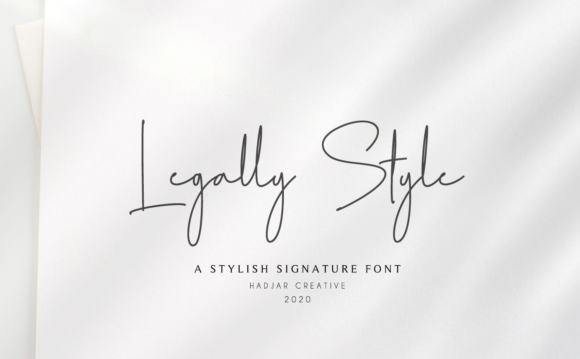
In the crowded landscape of digital experiences, the choice of typography often dictates the first impression a user forms about a brand. As designers, we constantly search for typefaces that balance aesthetic appeal with functional readability. Legally Style emerges as a standout option in this quest. It is a stylish and delicate handwritten font designed to bring a clean, thin, and smooth vibe to any digital project. Unlike many script fonts that sacrifice legibility for flair, Legally Style maintains a level of clarity that makes it viable for serious branding and product design.
When integrating a new typeface into a web design workflow, the primary concern is how it performs across various screen sizes and contexts. Legally Style excels in creating a distinct visual hierarchy without overwhelming the content. Its delicate strokes offer a sophisticated touch, making it an ideal candidate for hero sections, landing page headers, and call-to-action areas where a personal yet professional tone is required. This font bridges the gap between casual creativity and corporate polish, allowing UI designers to craft interfaces that feel approachable yet authoritative.
Defining Visual Hierarchy with Delicate Strokes
The core strength of Legally Style lies in its ability to guide the user's eye through a layout. In modern web design, users scan pages rather than reading every word linearly. A display font like Legally Style acts as a powerful anchor point. When used for main headings or section titles, its unique handwritten character immediately draws attention, signaling importance. However, because the font retains a clean structure, it does not create visual noise. This is crucial for maintaining a high signal-to-noise ratio on busy landing pages or complex dashboard interfaces.
Consider a scenario where you are designing a product launch page for a boutique online store. The hero section needs to communicate elegance and exclusivity. Using a heavy, blocky sans serif might feel too industrial, while a chaotic brush script could appear unprofessional. Legally Style hits the sweet spot. Its thin lines suggest precision and care, reinforcing the quality of the product being sold. By placing the product name or a key value proposition in this font, you establish a strong focal point that encourages users to scroll further and engage with the content below.
Optimizing Readability Across Devices
One of the most critical aspects of selecting a premium font for the web is ensuring it remains readable on mobile devices. With the majority of web traffic coming from smartphones, a font must scale effectively. Legally Style is engineered with smooth curves and consistent stroke widths that hold up well even at smaller sizes. However, as with any script font, context matters. It is best utilized for short phrases, headlines, and logo text rather than long paragraphs of body copy.
For mobile layouts, pairing Legally Style with a highly legible sans serif font for body text creates a harmonious balance. The contrast between the organic flow of the script and the geometric stability of the sans serif ensures that users can easily consume information while still enjoying the decorative elements. On dark backgrounds, the lightness of Legally Style requires careful attention to contrast ratios to meet accessibility standards. Increasing the weight slightly or adding a subtle drop shadow can enhance visibility without compromising the font's delicate aesthetic.
Strategic Applications in Digital Branding
The versatility of Legally Style extends beyond simple headers. It serves as a robust tool for building a cohesive brand identity across multiple digital touchpoints. For SaaS founders and creative entrepreneurs, establishing a consistent online presence is vital. Using this font consistently in email signatures, social media graphics, and website banners helps reinforce brand recognition. The handwritten nature of the typeface adds a human element to digital interactions, fostering a sense of trust and connection with the audience.
Imagine a coaching website where the goal is to build rapport with potential clients. A rigid, corporate font might create distance, whereas Legally Style invites engagement. You can use it for testimonial quotes, service names, or motivational statements throughout the site. Similarly, for a portfolio site, this font can be used to sign off on project descriptions or to highlight key achievements, giving the designer's work a personal signature. In the realm of course sales pages, Legally Style can be effective for module titles or bonus offers, breaking up the monotony of standard text and highlighting value propositions.
Mastering Font Pairing for Web Layouts
To maximize the impact of Legally Style, thoughtful font pairing is essential. The goal is to complement the script's personality without competing with it. A neutral, geometric sans serif font works exceptionally well as a body typeface. This combination allows Legally Style to shine in headings while ensuring the bulk of the content remains easy to read. Alternatively, for a more editorial or luxurious feel, pairing it with a classic serif font can elevate the design, suggesting tradition and sophistication.
When designing buttons or interactive elements, caution is advised. While Legally Style looks beautiful in static text, its varying stroke widths can sometimes make small click targets difficult to read if the size is too small. It is generally better to reserve this font for the button label only if the button is large enough, or to use a cleaner font for the CTA text while using Legally Style for the surrounding headline. This ensures that the conversion-focused layout remains intuitive and accessible to all users.
Technical Considerations and Licensing
From a technical standpoint, implementing Legally Style requires attention to file formats and webfont availability. Ensuring that the font files are optimized for web delivery, such as using WOFF2 formats, will improve page load speeds, which is a critical factor for SEO and user retention. Designers should also check for the inclusion of alternates and ligatures, which can add variety to the text without requiring additional font files. Multilingual support is another feature to verify, especially for global brands needing to display content in various languages.
Licensing is a fundamental aspect of using commercial fonts in client projects. Legally Style is a commercial font, meaning it requires a proper license for use on websites, in digital templates, and for online stores. Whether you are building a custom landing page for a startup or creating a digital asset kit for a marketing agency, ensuring you have the correct rights prevents legal complications down the line. Always review the license terms regarding the number of domains, users, and the scope of the project to ensure full compliance.
Ultimately, Legally Style represents a significant asset for web designers and digital creators looking to inject personality into their work. Its blend of delicate aesthetics and functional design makes it a powerful tool for crafting memorable digital experiences. By understanding its strengths and limitations, and by applying it strategically within a broader typographic system, designers can create websites that not only look stunning but also perform effectively in driving user engagement and brand loyalty.